NOW


<p style="line-height: 1;"><strong>Action One </strong></p> <p style="line-height: 1;"><span style="font-size: 10pt;">Elect candidates who support National interests over any other intrests.</span></p>
Please enroll in to $10 per month program to replace the congressmen/senators who prefer Israeli interests over American interests. We need 1M subscribers to comfortably change the congress.
✅ 1. Recruit and Support New Candidates
- Identify good, smart, and patriotic people from all walks of life—teachers, veterans, small business owners, activists—who care about America.
- Help them run for local, state, or federal office (especially primaries, where incumbents are most vulnerable).
- Provide them with campaign support: volunteers, donations, networking, and publicity.
✅ 2. Build and Mobilize a Grassroots Movement
- Use social media, community events, and door-to-door outreach to raise awareness and energize voters.
- Focus on key issues that matter to working Americans: jobs, healthcare, education, national security, and ending corruption.
- Organize or join local political action committees (PACs) or groups focused on electing America First candidates.
✅ 3. Hold Primaries Accountable
- Most career politicians win because voter turnout is low in primaries. Change that by:
- Registering voters early.
- Educating voters on incumbent voting records.
- Turning out the vote in every primary election.
✅ 4. Expose the Influence of Big Donors and Foreign Lobbyists
- Shine a light on how groups like AIPAC, Big Pharma, Wall Street, or defense contractors influence Congress.
- Push for laws that require full transparency in political donations and ban foreign-linked PACs from shaping U.S. policy.
✅ 5. Demand Term Limits and Political Reform
- Support or campaign for term limits to stop lifetime politicians.
- Push for reforms like:
- Ban on lobbying after leaving office
- Public financing of campaigns
- Ballot access for independents and new challengers
✅ 6. Run a Parallel Messaging Operation
- Use independent media, podcasts, livestreams, and influencers to bypass corporate news and spread your message.
- Call out corruption and promote fresh leaders who represent American values—not globalist or foreign interests.

<p style="line-height: 1;"><strong>Action Seven</strong></p> <p style="line-height: 1;"><span style="font-size: 10pt;">Donot believe candidate TV adds as True</span></p> <p style="line-height: 1;"><span style="font-size: 10pt;">Research your own facts</span></p>
Recruit and Support New Candidates
- Identify good, smart, and patriotic people from all walks of life—teachers, veterans, small business owners, activists—who care about America.
What to do if political TV ads are misleading:
Political ads are everywhere — but they don’t always tell the truth. Here's how to protect yourself and vote smart:
1. Fact-Check Every Claim
TV ads can twist facts. Don’t take them at face value.
Use these nonpartisan fact-checkers:
2. Do Your Own Research
Go beyond the ad. We provide factual information on the incumbent’s policies and record, if they accepted campaign donations from foreign interest groups, billionaires, corporations over public and U.S. interests.
- We will provide voting history, clearly indicating whose interest they served and who’s interest they hurt.
- Watch full speeches, not just clips and all the lies and dirt they spewed on opponents.
3. Don’t Be Manipulated
Political ads use fear, anger, and flattery to influence you.
- We will tell you if this ad telling facts or trying to scare you?
- What’s being left out?
4. Get News from Trusted Sources
Follow independent, fact-based journalism.
- Follow news media recommended by FPBP and avoid echo chambers or biased sources.
- We will give you multiple perspectives.
6. Support Truth in Politics
- Attend town halls and debates.
- Ask direct questions.
- Vote for candidates who value truth and accountability.
Democracy works best when voters are informed — not misled.
Don’t let ads decide for you. Make your own decision based on facts.

<p style="line-height: 1;"><strong><span style="font-family: arial, helvetica, sans-serif;">Action Two</span></strong></p> <p style="line-height: 1;"><span style="font-family: arial, helvetica, sans-serif; font-size: 10pt;">"We must save our democracy—start by talking to everyone you know."</span></p>
"We are at a turning point in our nation’s history. The survival of our democracy depends on we the people—not lobbyists, not elites, and not foreign interests. Every conversation matters. Talk to your family. Talk to your neighbors. Talk to people at work, at school, in your community. Share the truth. Spread awareness. Inspire action. Together, our voices can restore integrity, accountability, and freedom to Congress and beyond. The future is not written—let’s write it ourselves."

<p style="line-height: 1;"><strong>Action Three</strong></p> <p class="MsoNormal" style="line-height: 1;"><span style="font-size: 10pt; font-family: Tahoma, sans-serif;">The Two-Party Trap, </span><span style="font-size: 10pt; font-family: Tahoma, sans-serif;">How Republicans and Democrats Work Together to Keep Us Powerless</span></p>
The Two-Party Trap
How Republicans and Democrats Work Together to Keep You Powerless
America is trapped in a political illusion. Every election, we’re told we have a choice — Republican or Democrat, left or right. But no matter who wins, the American people keep losing.
That’s because our two-party system isn’t a battle between good and evil — it’s a rigged game, designed to give us the illusion of choice while delivering the same results:
endless wars, corporate favoritism, growing government control, and a shrinking middle class.
It’s not one party that’s failing us — it’s both.
One Party Protects Corporate Greed...
The Republican Party talks a good game about freedom, small government, and American values — but behind the curtain, they’re often in bed with big corporations and Wall Street.
- They push for tax cuts that overwhelmingly benefit the rich.
- They weaken labor protections and environmental safeguards in the name of “deregulation.”
- They accept massive donations from oil giants, banks, pharmaceutical companies, and defense contractors.
The result? Billionaires and corporations thrive, while working families struggle.
The Other Enables Bureaucratic Control
The Democratic Party brands itself as the champion of workers and the poor — but in practice, they often expand government power without improving government performance.
- They create bloated bureaucracies that spend billions but deliver little.
- They pass complex regulations that hurt small businesses while letting big ones buy exemptions.
- They censor dissenting views and try to control what Americans can say, do, or believe — all in the name of “equity” or “safety.”
The result? More government, less liberty, and no accountability.
Both Take Massive Donations
Behind all the slogans and spin, both parties are funded by the same billionaire class and lobbying firms:
- Super PACs, dark money networks, and foreign-aligned lobbies fund both sides.
- Big Tech, Big Pharma, the defense industry, and Wall Street hedge their bets by giving to both parties — because they know the system protects their interests either way.
No matter who wins, they win. You don’t.
Both Push Endless Wars
Democrats and Republicans may argue over spending at home, but when it comes to war, they’re united:
- Both parties voted for the Iraq War.
- Both funded 20 years of failure in Afghanistan.
- Both continue to approve billions in foreign military aid, drone strikes, and proxy conflicts — often without debate, oversight, or clear benefit to the American people.
The war machine keeps running — because it funds their campaigns and lines their pockets.
Both Silence Real Reformers
Anyone who challenges this corrupt system — left, right, or independent — is treated as a threat:
- Outsiders are smeared, silenced, or ignored by party-controlled media.
- Election rules, ballot access laws, and debate exclusions are designed to block third-party and independent voices.
- Reformers within the parties are marginalized — or pressured into conformity.
In both parties, change is not welcome. Obedience is.
Divide and Distract
Most dangerously, the two-party system keeps Americans fighting each other instead of the system.
- They stoke fear, outrage, and division — red vs. blue, race vs. race, rich vs. poor, urban vs. rural.
- They use identity politics, cultural battles, and fear tactics to distract from their failures.
- While we argue over bathrooms, flags, and tweets, they pass trillion-dollar budgets and surveillance laws without blinking.
The real fight isn’t left vs. right. It’s the people vs. the political class.
The Way Out: Break the Trap
To fix our nation, we must first admit the truth: the two-party system is broken beyond repair.
What we need is:
- Independent, people-first candidates with no strings attached.
- Election reform: open primaries, ranked-choice voting, and fair ballot access.
- Civic awareness that focuses on policies, not party labels.
- Voter movements that demand accountability, not just victory.
America Deserves Real Representation
We were never meant to be ruled by two corporate-backed machines pretending to be rivals.
We deserve:
- A government that serves people, not parties
- Debates based on ideas, not identity
- Leadership grounded in truth, accountability, and courage
It’s time to escape the Two-Party Trap — and build a future where real change is possible.

<p style="line-height: 1;"><strong>Action Four</strong></p> <p style="line-height: 1;"><span style="font-size: 10pt; font-family: Arial, sans-serif;">Term Limits - Power Should Belong to the People; Not to Permanent Politicians</span></p>
Term Limits to End Lifelong Political Careers
Power Should Belong to the People — Not to Permanent Politicians
America was never meant to be ruled by a political class.
Yet today, our government is filled with career politicians who spend decades in office, growing more disconnected from the people they claim to serve. Many entered Congress with good intentions — but stayed too long, accumulated too much power, and stopped listening.
It’s time for a change. It’s time for term limits — to end lifelong political careers and return power to the people.
Congress Was Never Meant to Be a Career
The Founders envisioned a government of citizen leaders, not lifetime lawmakers.
- George Washington stepped down after two terms as president to prevent the rise of a monarchy.
- Thomas Jefferson warned that politicians must be rotated to prevent corruption.
- Public office was meant to be a temporary act of service, not a full-time, lifelong profession.
But today, many members of Congress have been in office for 30, 40, even 50 years — far removed from the struggles of everyday Americans.
Why Lifelong Political Careers Are Dangerous
The longer someone stays in power, the more likely they are to:
- Prioritize re-election over results
- Cater to lobbyists and donors over constituents
- Avoid bold decisions that threaten their careers
- Accumulate insider wealth through stock trades, contracts, and influence
Worse, long-time incumbents often create dynasties — passing seats to family members, staffers, or allies — turning public service into a private club.
The result is a system that rewards loyalty to power — not accountability to voters.
Career Politicians Enrich Themselves, Not You
Consider this:
- Members of Congress earn $174,000 per year — but many leave office as millionaires.
- They receive lifetime pensions, gold-plated health plans, and special perks — while denying similar support to the American people.
- They serve on committees that regulate industries they invest in.
- And they often become lobbyists after retirement, cashing in on the same system they helped rig.
The longer they stay, the richer they get — and the less they relate to you.
Term Limits = Clean Government
Here’s what term limits would do:
✅ End entrenched power and force regular turnover
✅ Bring in fresh voices and real-life experience
✅ Limit the influence of lobbyists and special interests
✅ Restore trust in our institutions
✅ Make elections competitive again
Most importantly, term limits would remind our leaders that they work for us — not the other way around.
We Americans Overwhelmingly Support Term Limits
According to multiple national polls, over 75% of Americans — across party lines — support term limits for Congress.
So why hasn’t it happened?
Because Congress will never vote to limit its own power.
The only way to get term limits is for the people to demand it.
What Kind of Term Limits?
A common proposal is:
- House of Representatives: Maximum of 3 terms (6 years)
- Senate: Maximum of 2 terms (8 years)
These limits allow enough time to learn the job and make a difference — but not enough to build a fiefdom.
Let’s End the Era of Political Lifers
We don’t need kings, career politicians, or political dynasties. We need servants of the people — people who go to Washington to fix problems, not to build careers.
America is a government by the people and for the people — but only if we make it that way.
It’s time to end lifelong political careers.
It’s time for term limits.

<p style="line-height: 1;"><strong>Action Five</strong></p> <p class="MsoNormal" style="line-height: 1;"><span style="font-size: 10pt; font-family: Arial, sans-serif;">Campaign Finance Reform: </span><span style="font-size: 10pt; font-family: Arial, sans-serif;">Get Big Money Out of Politics - and Power Back to the People</span></p>
Campaign Finance Reform:
Get Big Money Out of Politics — and Power Back to the People
In a democracy, elected officials are supposed to answer to the people — not billionaires, corporations, or political action committees. But in today’s America, money talks louder than votes.
Our political system is drowning in cash, and the result is a Congress that serves donors first, and citizens second. If we want a government that works for everyone — not just the wealthy few — then we must take on the root of the problem:
✅ We need campaign finance reform.
The Problem: Pay-to-Play Politics
It’s no secret that running for office in the U.S. is obscenely expensive:
- A competitive U.S. Senate campaign now costs $30–50 million or more.
- House candidates routinely spend over $2 million per race.
- Presidential campaigns can top $1 billion in total spending.
Where does that money come from?
Not from working families — but from:
- Billionaire donors and corporate executives
- Super PACs that can raise unlimited, untraceable "dark money"
- Industry lobbyists with deep pockets and special access
Once elected, politicians are expected to return the favor — with tax breaks, deregulation, subsidies, or no-bid contracts.
👉 That’s not representation. That’s legalized bribery.
What’s at Stake?
When big money dominates politics, the American people lose. Here’s what it costs us:
- Affordable healthcare: Blocked by the insurance and pharmaceutical lobbies.
- Environmental protections: Gutted by fossil fuel donors.
- Tax fairness: Sabotaged by the ultra-rich who fund both parties.
- Worker protections: Undermined by corporate PACs and Chamber of Commerce influence.
- Peace and diplomacy: Replaced by endless wars driven by defense contractors.
Elections become auctions, and Congress becomes a club for the highest bidder.
How Did We Get Here?
Much of the current crisis stems from two major Supreme Court decisions:
- Citizens United v. FEC (2010): Allowed unlimited corporate spending in elections, ruling that “money is speech.”
- McCutcheon v. FEC (2014): Removed caps on how much individuals can donate across multiple campaigns.
These rulings unleashed a flood of dark money into our system — and tilted the playing field permanently in favor of the ultra-rich.
What Campaign Finance Reform Looks Like
Here’s what real reform would do:
✅ End Citizens United
We need a constitutional amendment to overturn Citizens United and declare that corporations are not people, and money is not speech.
✅ Ban Dark Money
Every dollar in politics should be disclosed, transparent, and traceable — no anonymous PACs or secret donors.
✅ Cap Campaign Spending
Set reasonable limits on how much can be raised and spent — and level the playing field so regular people can run and win.
✅ Publicly Funded Elections
Match small-dollar donations with public funds so grassroots candidates can compete with big-money insiders.
✅ Ban Lobbyist Bundling & Revolving Doors
Stop former lawmakers from becoming lobbyists — and end the cycle of corruption where influence is bought and sold.
We Americans Agree: The System Is Rigged
Poll after poll shows overwhelming support — across political lines — for campaign finance reform:
- 88% of Americans say money has too much influence in politics.
- 85% support disclosure of all political donations.
- Nearly 80% say we need stricter rules to keep big money out.
But the very people who could fix it — Congress — won’t, because they benefit from the current system.
Time to Take Our Democracy Back
Real change won’t come from those already bought and paid for. It will come from voters, activists, and candidates who refuse to be owned.
To fix America, we must:
- Elect leaders who reject PAC and lobbyist money
- Demand transparency and accountability
- Support bold reforms to restore power to the people
Because until we get big money out of politics, nothing else will truly change.
It’s Time to Choose:
A government of, by, and for the people — or one sold to the highest bidder.
Let’s fight for a democracy that money can’t buy.

<p style="line-height: 1;"><strong>Action Six</strong></p> <p class="MsoNormal" style="line-height: 1;"><span style="font-size: 10pt;"><span style="font-family: Arial, sans-serif;">Accountability: </span><span style="font-family: Arial, sans-serif;">Laws to Punish Corruption and Insider Trading in Congress</span></span></p>
Accountability Now:
Laws to Punish Corruption and Insider Trading in Congress
Americans expect their elected officials to serve the public — not profit from their power. Yet in Washington, corruption is not just common — it's routine. Members of Congress regularly use their influence to enrich themselves and their allies while ordinary Americans are held to a different standard.
When those in power can break the rules without consequence, democracy begins to die. It’s time to enact strong accountability laws that punish corruption and ban insider trading — not just in theory, but in practice.
A Culture of Corruption
Congress is supposed to pass laws — not break them. But too often, we see:
- Members of Congress trading stocks based on nonpublic information from classified briefings.
- Lawmakers accepting gifts, trips, and donations from lobbyists and foreign-aligned interest groups.
- Politicians securing federal contracts or favorable regulations that benefit their family members or businesses.
- Elected officials who leave office and cash in as lobbyists, using insider knowledge to influence policy.
While the public suffers under inflation, unaffordable healthcare, and economic uncertainty, many in Congress are quietly getting rich.
Insider Trading: Legal for Them, Illegal for You
- Members of Congress sit on committees with access to confidential economic and national security information.
- They are allowed to buy and sell stocks in companies that they regulate — including defense contractors, tech firms, and pharmaceutical giants.
- A 2021 report revealed that over 50 members of Congress failed to properly report trades or may have violated the STOCK Act, a law passed in 2012 to ban insider trading — yet none faced criminal charges.
Imagine if a corporate employee did that. They’d go to prison.
But in Washington, they get re-elected.
Corruption Isn't Just a Scandal — It's a Business Model
Corruption isn’t always about briefcases of cash or secret deals. Today’s corruption is:
- Campaign donations in exchange for policy favors
- Lobbyist-written legislation passed without debate
- Government contracts going to companies tied to lawmakers
- Elected officials who spend more time fundraising than governing
This isn’t public service — it’s self-service.
Why It Persists: No Real Consequences
The reason corruption and insider trading continue is simple: there’s no serious punishment.
- Ethics complaints go nowhere.
- Investigations are slow, weak, or never happen.
- Fines are minor, and criminal prosecutions are rare.
- Congress polices itself — and protects its own.
To restore faith in our institutions, that has to end.
What Real Accountability Looks Like
We need bold, enforceable laws that punish misconduct and protect the people, including:
✅ Total Ban on Stock Trading for Members of Congress
- Put all assets into blind trusts during their terms.
- No trading, no timing, no loopholes.
✅ Automatic Investigations for Financial Red Flags
- Any suspicious trades linked to committee activity trigger independent investigation, not internal cover-ups.
✅ Criminal Penalties for Insider Trading
- Jail time, not just fines, for lawmakers who abuse their access.
✅ Ban Family Enrichment Schemes
- No funneling federal dollars to companies owned by spouses, siblings, or children.
✅ Lifetime Ban on Lobbying After Congress
- No more revolving door from public service to private profit.
✅ Public Transparency & Real-Time Disclosures
- Mandatory reporting of all financial transactions within 24 hours, with public access.
The Public Demands It
- 76% of Americans support banning Congress from trading stocks.
- Trust in Congress is at an all-time low — below 20%.
- Most Americans believe corruption is widespread — and they’re right.
Voters are tired of being lectured by politicians who enrich themselves behind closed doors.
We The People Deserve Better
Corruption is not a partisan issue — it’s a moral one. Insider trading isn’t a political strategy — it’s a crime.
If we want a government that works for the people, we must:
- End special treatment for lawmakers
- Hold every official to the same standard as the rest of us
- Punish abuse of power swiftly and publicly
No More Excuses. No More Protection.
The time for empty ethics reforms is over.
The time for action is now.
Pass accountability laws. Ban insider trading. Jail the corrupt.
Because a nation that lets its leaders break the law without consequence is no longer a free republic.

<p style="line-height: 1;"><strong>Action Eight</strong></p> <p style="line-height: 1;"><span style="font-size: 11.0pt; line-height: 107%; font-family: 'Calibri',sans-serif; mso-ascii-theme-font: minor-latin; mso-fareast-font-family: Calibri; mso-fareast-theme-font: minor-latin; mso-hansi-theme-font: minor-latin; mso-bidi-font-family: 'Times New Roman'; mso-bidi-theme-font: minor-bidi; mso-ansi-language: EN-US; mso-fareast-language: EN-US; mso-bidi-language: AR-SA;">A 5 - <span style="font-family: 'Calibri',sans-serif; mso-ascii-theme-font: minor-latin; mso-hansi-theme-font: minor-latin; mso-bidi-font-family: 'Times New Roman'; mso-bidi-theme-font: minor-bidi;">year statute of limitations for denaturalization</span></span></p>
We will bring Time Limit on De Naturalization
For millions of naturalized Americans, citizenship — that sacred bond of belonging — is not as permanent as it should be. Under current law, the U.S. government can revoke citizenship obtained through naturalization at any time, even decades later. There is no statute of limitations, no time when your citizenship finally becomes secure.
Perpetual Uncertainty
Every other part of our justice system recognizes the importance of finality. We have time limits for property disputes, fraud, and even serious crimes. Yet, for citizenship — the very foundation of our democracy — there’s no expiration date on the government’s power to undo it.
This leaves naturalized citizens in a state of quiet anxiety, wondering whether an old paperwork error or a forgotten detail could one day be used against them. It creates two classes of citizens: those born here, whose rights are permanent, and those naturalized, whose rights are conditional.
A Five-Year Promise of Permanence
A 5-year statute of limitations on citizenship revocation is needed! It gives the government ample time to detect and act on genuine fraud while ensuring that after a five year of lawful, faithful citizenship, people can finally exhale and live without fear.
Five years of taxes paid, children raised, and communities strengthened should prove one’s American commitment beyond doubt.
Restoring Trust
This reform would do more than protect individuals — it would restore trust in the naturalization process. When people believe their citizenship is truly permanent, they invest deeper in the civic life of the nation. They vote. They volunteer. They build.
America thrives when people feel they belong.
Citizenship should not be conditional. After five years of lawful life in this country, your American identity should be unquestionable.
Because half a decade is enough — and citizenship should be forever.

<p style="line-height: 1;"><strong>Action Nine</strong></p> <p style="line-height: 1;"><span style="font-size: 10pt; font-family: arial, helvetica, sans-serif;">Capping interest rate for poor-households and capping NSF fee to $5</span></p>
“Affordable” Interest
For low-income borrowers, an “affordable” interest rate is one that:
- Doesn’t exceed their realistic repayment capacity — typically, total debt service (loan + interest) should not take more than 10% of disposable income.
- Allows some savings to accumulate — not just survival payments.
- Reflects fair risk, not exploitation — risk pricing is legitimate, but poor borrowers shouldn’t face 25–35% APRs when base rates are 5–6%.
Base Numbers
Working-class borrower earning about $35,000 per year (~$2,900 per month net).
|
|
Loan Type |
Current APR |
Payment (on $1,000 for 12 mo) |
Affordable APR |
12-Monthly Payment |
Notes |
|
Credit Card |
Unsecured |
21-35% |
$141 |
8% |
~108 |
At 8 % APR, costs drop ≈ 7–8% monthly |
|
Small $ loan |
Personal loan |
18-22% |
93 |
8-10% |
~87 |
Reduces interest burden by ≈ 35–45 % |
|
Micro-business / working capital |
small biz |
14-20% |
varies |
6–8 % |
varies |
Encourages investment instead of debt trap |
So, for most poor or near-poor households, the affordable zone is roughly:
· 6 – 8 % APR range
That’s high enough to cover lender risk but low enough to avoid trapping borrowers in endless minimum payments.
Economic & Social Impact
Reducing poor-household interest rates to ~8% would:
- Free ~5–7% of disposable income for savings or consumption.
- Cut debt defaults significantly.
- Stimulate local economies (money spent locally instead of on interest).
- Encourage small-business formation and home-repair investment.
Policy Summary
|
Policy Idea |
Description |
Target APR |
|
Public micro-loan fund |
Government-backed credit at near-prime rates for working poor |
5–8 % |
|
Community credit unions |
Locally governed, capped rates |
≤ 10 % |
|
Refinance program |
Refinance high-APR debt (20–30 %) into low-interest community loans |
6–9 % |
|
Credit education + regulation |
Curb predatory fees; tie max APR to Fed rate (e.g., Fed + 8 pts) |
≤ 11 % |
An interest rate around 7–8 percent is both affordable for low-income Americans and sustainable for responsible lenders — provided the lending system is mission-driven, not purely profit-driven.

<p>Action Ten</p> <p style="line-height: 1;"><span style="font-size: 10pt;">Level Playing Field for Small Businesses</span></p>
Level Playing Field for Small Businesses
Principle:
Small businesses should not be punished with higher costs simply because they are small. A fair economy requires that local retailers and entrepreneurs have the same buying power advantages that large corporate chains enjoy.
The Problem
Large retail corporations negotiate extremely low prices with manufacturers and wholesalers because they buy in massive volume. Small businesses, by contrast, pay significantly higher prices for the same products due to:
- Lack of negotiation leverage
- Distributor markups
- Mandatory minimum order quantities
- Exclusive contracts between suppliers and big chains
- Preferential pricing agreements unavailable to independent retailers
As a result, small businesses are forced to charge higher prices, earn slimmer margins, and often cannot compete—leading to closures and monopolies.
Proposed Policy Solution
Pass legislation that creates fair access to wholesale pricing so that small retailers can purchase merchandise at prices comparable to large retail chains.
Key mechanisms include:
1. Fair Wholesale Pricing Law
Require suppliers and distributors to offer standardized pricing tiers based on product type—not buyer size alone. This prevents price discrimination that unfairly disadvantages small retailers.
2. Group Purchasing Rights
Legally enable small businesses to form purchasing cooperatives so they can combine buying power to negotiate volume discounts equal to large corporations—without violating antitrust laws.
3. Transparency in Supplier Contracts
Mandate disclosure of supplier pricing structures to prevent hidden discounts and exclusive deals that lock small businesses out of fair competition.
4. Prohibit Anti-Competitive Exclusivity
Ban contracts that prevent manufacturers from selling directly to small retailers if they already supply large chains.
5. Small-Business Price Equalization Credit
Offer tax credits or rebates to small businesses when wholesale pricing disparities exceed a defined threshold.
6. Government-Backed Wholesale Platforms
Create a national digital marketplace for small businesses to access manufacturer-direct pricing and pooled logistics systems.
Why This Matters
This policy will:
✅ Reduce prices for consumers
✅ Keep neighborhood stores alive
✅ Increase competition and innovation
✅ Prevent monopolies
✅ Grow local employment
✅ Strengthen the middle class
A real free market means competition is based on service and quality—not corporate size. When

<p><span style="font-size: 12pt;">Action Eleven</span></p> <p style="line-height: 1;"><span style="font-size: 10pt;">Structured tariff to bring Industry home</span></p>
Structured Tariffs to Bring Industry Home
Trade policy should strengthen domestic production, protect American workers, and restore critical industries that have been outsourced overseas.
The Problem
Over decades, poorly designed trade policies have encouraged companies to move factories abroad to take advantage of cheap labor, weak environmental rules, and government subsidies offered by foreign governments. This has:
- Hollowed out U.S. manufacturing
- Killed high-paying industrial jobs
- Weakened supply-chain security
- Made the nation dependent on foreign producers for essential goods
- Lowered wages through global labor competition
Free trade without fairness has not produced a level playing field—it has rewarded offshoring and punished domestic production.
The Solution: Structured Tariffs
A structured tariff system uses targeted, strategic import duties to encourage companies to manufacture in the United States rather than overseas. Unlike blanket tariffs, structured tariffs are selective, transparent, and linked to national economic goals.
Key Features
1. Industry-Specific Tariffs
Apply tariffs strategically to industries critical to national security and economic resilience, such as:
- Semiconductors
- Steel and aluminum
- Pharmaceuticals
- Energy equipment
- Telecommunications hardware
- Automotive and aerospace components
2. Incentives for Domestic Production
Eliminate tariffs for companies that manufacture in the U.S., while applying higher tariffs to finished goods imported from countries using wage suppression or industrial subsidies.
3. Anti-Dumping Protection
Increase tariffs on foreign goods sold below fair market value to eliminate unfair competition that destroys American industries.
4. Domestic Reinvestment Clause
Tariffs collected should be reinvested in:
- Factory construction
- Workforce training
- Infrastructure for manufacturing zones
- Small-business suppliers
5. Labor and Environment Adjustment
Higher tariffs for imports from countries with:
- Poor labor protections
- Forced labor practices
- Unsafe working conditions
- Environmental dumping
6. Strategic Supply Chain Protection
Ensure domestic capability for:
- Medicine manufacturing
- Defense materials
- Energy components
- Food processing
- Industrial machinery
Benefits
Structured tariffs would:
✅ Bring manufacturing jobs back
✅ Raise wages
✅ Strengthen national security
✅ Reduce trade dependence
✅ Support small manufacturers
✅ Rebuild industrial communities
✅ Increase economic resilience
Short Public Message Version
A structured tariff policy is not about trade wars — it’s about economic independence. By taxing offshored goods and rewarding domestic production, we bring factories back, strengthen supply chains, and rebuild American jobs.
If you want, I can also provide:
- A one-page policy brief
- A speech-ready version
- A Q&A for critics
- A campaign platform paragraph
- A graphic text layout for social media
Just tell me which format you want.

<p style="line-height: 1;"><span style="font-size: 12pt;"><sup>Action Twelve</sup></span></p> <p style="line-height: 1;"><sup>No Replacement of Workers by AI or robotics </sup></p>
No Replacement of Workers by AI or Robotics
Technology must serve people—not replace them. Artificial intelligence and robotics should be used to assist workers, increase safety, and improve productivity, not to eliminate jobs or devalue human labor.
Rapid adoption of AI and automation is already displacing workers across many industries, including manufacturing, retail, transportation, customer service, and media. Corporations are deploying machines and algorithms to replace employees not because technology is better, but because it is cheaper. This has resulted in:
- Mass layoffs disguised as “innovation”
- Lower wages through workforce reduction
- Job insecurity and economic instability
- Loss of human skills and experience
- Concentration of wealth in large corporations
- Growing inequality between labor and capital
Unchecked automation creates an economy where workers are treated as expendable and profitability matters more than people.
The Policy Solution
Pass laws that prevent companies from replacing workers with AI or robots when human labor is still viable and productive.
Core Policies
1. Human-First Employment Law
Require companies to prove that automation will not reduce headcount before deploying AI or robotics.
2. Automation Displacement Ban
Prohibit the use of AI and robotics for direct labor replacement in essential industries such as:
- Transportation
- Manufacturing
- Healthcare
- Education
- Retail
- Warehousing
- Journalism and media
3. Worker Protection Clause
Require retraining, job placement, and wage protection if AI adoption affects any role.
4. Automation Tax
Impose additional taxes on companies that replace human labor with automation and use the revenue to fund:
- Worker retraining programs
- Wage subsidies
- Workforce development
- Community reinvestment
5. Transparency in AI Use
Mandate public reporting on:
- Number of jobs displaced by automation
- Cost savings from automation
- Human roles impacted
- Future AI deployment plans
This policy would:
✅ Preserve jobs
✅ Protect wages
✅ Prevent corporate exploitation
✅ Maintain human dignity
✅ Ensure technology serves the public
✅ Reduce inequality
Campaigns
America must stay free — free from foreign influence
No law should ever put foreign interests above our Constitution and the Freedom of our people.
That’s not just wrong — it’s a betrayal.
No Wars in the Middle East
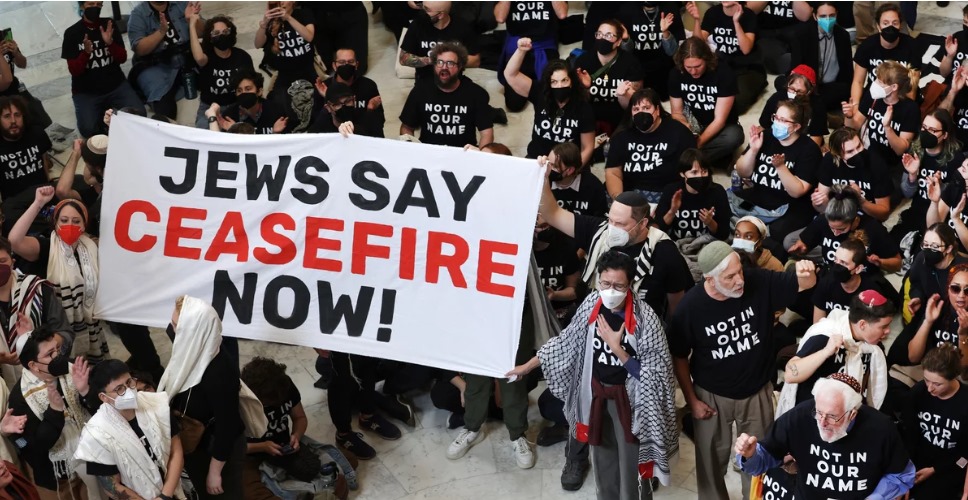
"The majority of Americans do not want war especially instigated by Israel against U.S. interests.
Instead, the war budget should be spent at home, to solve internal needs"
No More Foreign Wars: It's Time to Put America First
For far too long, America has been drawn into endless foreign wars, at the behest of Israel, that have cost us dearly in blood, treasure, and national purpose. From Iraq to Afghanistan, Libya to Syria, and now entanglements in Ukraine and the Middle East, trillions of dollars have been spent—often with no clear mission, no defined exit strategy, and no benefit to the American people.
It’s time to say enough is enough.
War Should Be a Last Resort — Not a Business Model
Our founding fathers warned against entangling alliances and foreign interventions. Yet today, defense contractors and foreign lobbyists(Israel) shape our foreign policy while working-class Americans pay the price. The burden falls on our troops, our families, and our economy, while powerful elites grow richer off defense spending and regime-change adventures.
Let’s be clear: America has the right and duty to defend itself, but endless wars thousands of miles away do not make us safer — they make us weaker, poorer, and more divided.
The Real Cost of Foreign Wars
$8 trillion spent on wars since 9/11 — enough to rebuild every road, bridge, and school in America.
Over 7,000 American soldiers lost, and tens of thousands more wounded, many suffering lifelong trauma.
Broken promises to veterans — while politicians fund wars abroad, they underfund VA hospitals at home.
Neglected priorities — while we send billions overseas, American cities face homelessness, rising crime, and failing infrastructure.
Foreign Wars Fuel Foreign Interests
Why are we funding conflicts in regions where we have no vital interests? Why are we sending aid and weapons to governments that violate human rights, silence dissent, or act against American values? In many cases, foreign policy is no longer about protecting America — it’s about protecting foreign governments and their influence in Washington.
We must outlaw foreign lobbying, hold our representatives accountable, and stop the manipulation of our foreign policy by powerful, un-American interests.
A New Doctrine: Defend America, Not Police the World
We need a new approach — one that respects the lives of our troops, the needs of our people, and the limits of our power.
Bring our troops home from unnecessary overseas deployments.
Stop arming foreign conflicts that only escalate instability.
Invest at home — in veterans, jobs, infrastructure, and communities.
Demand Congressional approval before any act of war — no more blank checks for presidents to start conflicts without accountability.
The People Are Ready. Now Congress Must Act.
Poll after poll shows that the American people are tired of endless war. They want peace, strength, and security — not more bloodshed for oil, politics, or foreign agendas.
We need a new Congress that serves American citizens, not global elites. A Congress that puts America First — in foreign policy, in spending, and in moral responsibility.
No more foreign wars. No more wasted lives. No more betrayals.
It’s time to restore American sovereignty, protect our own borders, and take care of our people — before we ever again send another dollar or soldier abroad.
Would you like this formatted as a printable flyer, social media thread, or video script as well?
Police Violence
Police are meant to protect life — not take it.
Their goal should be to disarm and de-escalate, not to kill.
They must be retrained to deal with ground realities
Their behavior should be empathy.
New political parties
The Americans deserve more than two choices.
The FEC must remove the roadblocks to encourage new political parties.
Economy
Cap credit interest to 10%
Easy loans to small business
Control housing prices
Control food prices
Control Gas prices
Inflation
Implement policies to control inflation, such as monetary policy adjustments and price controls. Increases the supply of goods and services to meet demand.
Balance Our Tax System
Every American should contribute their fair share in taxes, based on income and capacity.
Corporations must pay their rightful share.
Ways to Give
-
 Estate Planning
 -
 Start a Match
 -
 Employer Match
 -
 Donating Stocks
-
 Vehicle Donations
 -
 Giving via Fidelity
 -
Giving via Schwab
-
Giving via Vanguard

Subscribe Now
to Our Newsletter
Stay informed with the latest news and updates. Join our community!